
How to Generate Blog Titles With AI
This is an helpful guide on How to Generate Blog Titles With AI.
So if you’re wondering whether blog titles don’t matter that much, let me set the record straight with some compelling statistics: they absolutely do matter.
Why Blog Titles Impact Your Success
The data is crystal clear about the importance of compelling blog titles. According to recent research from Databox, the average click-through rate (CTR) for blog posts sits at just 2% – with their benchmark data from over 450 companies showing a median CTR of 1.98%. This means that out of every 100 people who see your blog post in search results, only 2 will actually click through to read it.
But here’s where it gets interesting: titles between 40-60 characters achieve an 8.9% better average CTR than other lengths, according to Backlinko’s analysis of 4 million Google search results. This isn’t just a small improvement – it’s the difference between a blog post that gets noticed and one that gets buried in the search results.
How Great Titles Drive Everything Else
When your titles perform well, the benefits cascade throughout your entire content strategy:
- Higher engagement rates: Blog posts with optimized titles see increased time on page (averaging 2-5 minutes for quality content)
- Better conversion rates: Well-crafted blog post CTAs typically achieve 2-5% click-through rates, but only when readers are initially drawn in by compelling titles
- Improved SEO performance: Longer, comprehensive posts (1,500+ words) rank higher, but they need attention-grabbing titles to earn those crucial clicks
Research shows that 82.4% of experts believe longer blog posts rank higher, and 60% actively aim for specific word count goals. However, even the most comprehensive, well-researched content won’t succeed without a title that compels people to click.
brainstorming the best titles that fit your blog post shouldn’t be hard because AI can assist in this process. When you combine human creativity with AI’s analytical capabilities, the collective effort becomes incredibly productive.
AI can help you:
- Analyze successful title patterns in your niche
- Generate multiple variations quickly for A/B testing
- Optimize for both SEO and emotional appeal
- Ensure optimal character counts for maximum CTR
- Identify power words that drive clicks in your industry
What Are Blog Titles?
Blog titles are the headlines that appear at the top of your blog posts and in search engine results. They serve as the first impression readers get of your content and are crucial for attracting clicks, driving traffic, and improving SEO rankings. Think of them as the “cover” of your blog post – they need to be compelling enough to make people want to read the full content.
Why Blog Titles Matter So Much
The statistics speak volumes about their importance:
- Average blog post CTR is just 2% Databox – meaning effective titles are critical for standing out
- 82.4% of experts believe longer, well-crafted posts rank higher in search results
- 36% of readers prefer headlines with numbers, while 21% like reader-addressing headlines
- Titles between 40-60 characters have 8.9% better average click-through rates
Essential Tips for Creating Effective Blog Titles
1. Use Proven Title Formulas
Numbers-Based Titles (Most Popular – 36% preference)
- “7 Proven Ways to Boost Your Website Traffic”
- “15 Content Marketing Strategies That Actually Work”
- Use numerals (7) instead of words (seven) – they’re more eye-catching
How-To Titles (17% preference)
- “How to Write Blog Titles That Get Clicked”
- “How to Increase Your Email Open Rates by 50%”
Question Titles
- “Are You Making These Common SEO Mistakes?”
- “Which Social Media Platform Is Best for Your Business?”
Reader-Addressing Titles (21% preference)
- “Why Your Content Marketing Isn’t Working”
- “The Mistakes You’re Making with Email Marketing”
2. Incorporate Psychological Triggers
Curiosity Gap – Create intrigue without giving everything away
- “The Secret Strategy Top Bloggers Don’t Want You to Know”
- “What Happened When I Tried This Viral Marketing Tactic”
Emotional Triggers – Tap into feelings and desires
- Fear: “Avoid These 5 Blogging Mistakes That Kill Traffic”
- Greed: “Double Your Income with This Simple Strategy”
- Pride: “Become a Content Marketing Expert in 30 Days”
Urgency and FOMO
- “Limited Time: The Marketing Tools You Need Right Now”
- “Don’t Miss Out: 2024’s Biggest Content Trends”
3. Use Power Words Strategically
High-Impact Power Words:
- Ultimate, Secret, Proven, Amazing, Instant
- Exclusive, Limited, Free, New, Best
- Easy, Simple, Quick, Effortless
- Shocking, Surprising, Incredible, Mind-blowing
Example Transformation:
- Weak: “Blog Writing Tips”
- Strong: “The Ultimate Guide to Writing Blog Posts That Go Viral”
4. Optimize for Different Platforms
SEO Titles (50-60 characters)
- Keep it concise to avoid truncation in search results
- Include your main keyword near the beginning
- Focus on clarity and search intent
Social Media Titles (80-95 characters for Facebook)
- Can be longer and more engaging
- Add extra context or benefits
- Use platform-specific language
Email Subject Lines (30-50 characters)
- Create urgency or curiosity
- Personalize when possible
- Avoid spam trigger words
5. Follow the 6-Step Title Creation Process
- Draft Your Initial Title – Start with a basic working title
- Create 5-10 Variations – Brainstorm multiple options
- Add Power Words – Enhance emotional appeal
- Analyze with Tools – Use headline analyzers for feedback
- Optimize for Platforms – Adjust length and tone for different channels
- Test and Evaluate – A/B test to find what works best
6. Balance Curiosity with Clarity
Good Balance:
- “5 SEO Mistakes That Are Killing Your Rankings (And How to Fix Them)”
Too Vague (Clickbait):
- “You Won’t Believe What Happened Next”
Too Boring:
- “SEO Information”
7. Include Specific Benefits and Outcomes
Weak: “Social Media Tips” Strong: “10 Social Media Strategies That Increased My Followers by 300%”
Weak: “Email Marketing Guide” Strong: “How to Build an Email List of 10,000 Subscribers in 90 Days”
8. Optimize Title Length
- Blog Post Titles: 60-70 characters (flexibility for creativity)
- SEO Titles: 50-60 characters (avoid Google truncation)
- Facebook: 80-95 characters (optimal engagement)
- Twitter: Under 120 characters (leave room for engagement)
9. Avoid Common Mistakes
- Overpromising: Don’t make claims your content can’t deliver
- Keyword stuffing: Include keywords naturally
- Being too clever: Clarity beats cleverness
- Ignoring your audience: Write for your specific readers
- Forgetting to test: Always measure performance
10. Ethical Considerations
While using psychological triggers is effective, maintain integrity:
- Deliver on promises made in your title
- Provide genuine value rather than just clicks
- Build trust with your audience long-term
- Avoid misleading or deceptive practices
Related: 10 Best AI Blog Writing Tools in 2025
How to Use AI to Generate Blog Titles with WordWriter
1. Sign Up or Sign In
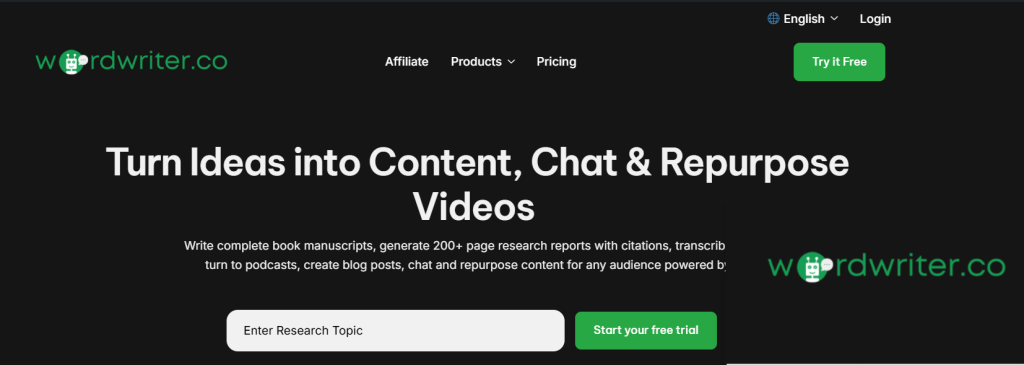
To get started, visit WordWriter and either sign up for a new account or sign in if you already have one.
2. Access the AI Dashboard
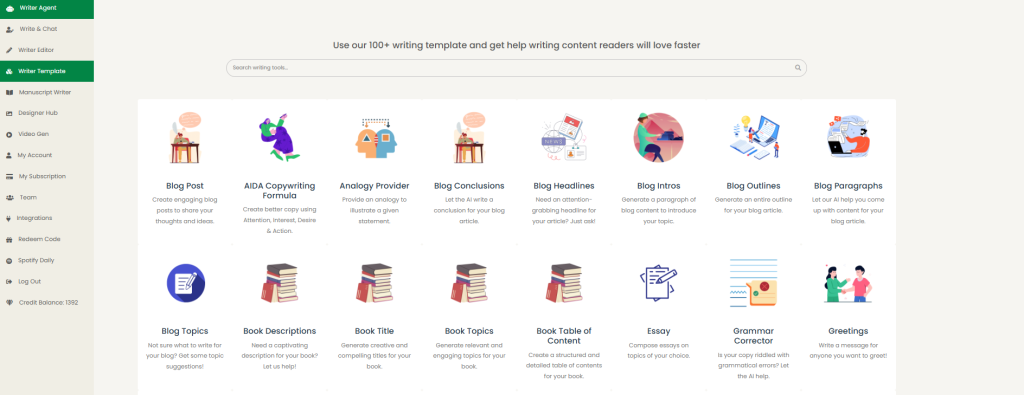
Once you’re logged in, the AI dashboard will be displayed. This is your central workspace for all AI-assisted writing tools.
3. Navigate to the Writer Template
Look to the left corner of the dashboard to find the navigation panel. From there, select “Writer Template” to explore available writing tools.
4. Locate the Blog Title Template
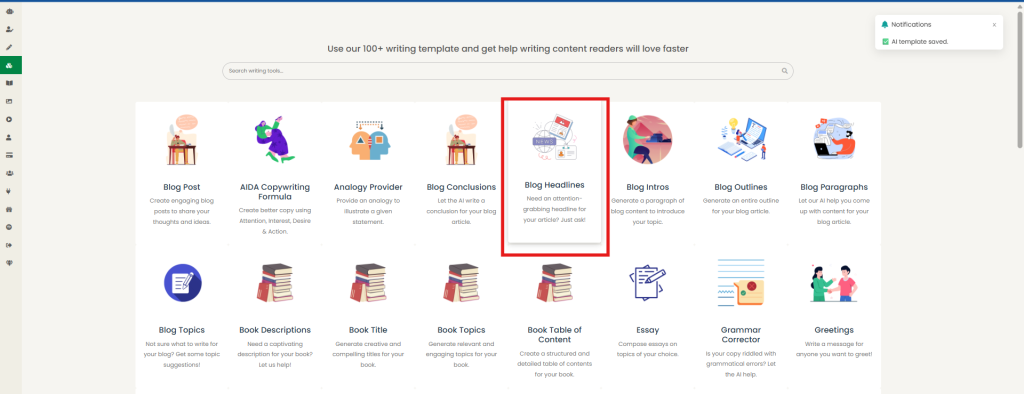
You can either scroll through the list or use the search bar to find the “Blog Title” template. Once you find it, tap to open.
5. Provide Context for Your Article
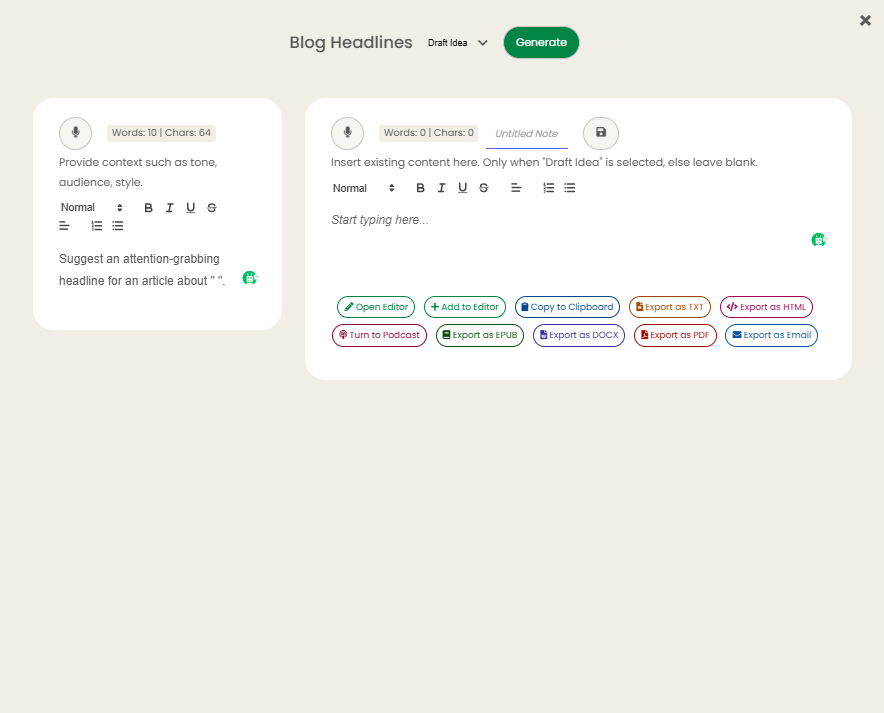
Enter a brief description of your blog topic. This helps the AI understand what your article is about and generate relevant titles.
6. Generate Your Titles
Click “Generate” and let the AI create a list of engaging, SEO-friendly blog titles tailored to your input.
Conclusion
Crafting the perfect blog title doesn’t have to be a guessing game. With WordWriter’s AI-powered tools, you can generate catchy, relevant, and SEO-optimized titles in seconds. Whether you’re a seasoned writer or just getting started, WordWriter makes the creative process faster and easier—so you can focus more on writing and less on brainstorming.
Sign in to WordWriter today and let AI take your content to the next level. Your next viral headline is just a click away.
