
10 Best AI Citation Generators Every Researcher Needs
Have you ever spent hours perfecting the introduction to your research paper, only to realise you still have fifty citations to format manually? You find yourself staring at a screen, wondering where the comma goes in an APA reference or if the journal title should be in italics.
It’s the ultimate “vibe killer” for any writer. This is the academic wall that every student and researcher hits. Learning about the best AI citation generators will help in this case. It is the only way to move from a mountain of research to a finished, professionally cited document without losing your mind. We will know exactly which tools are leading the pack in 2026 in this article.
There are a few more things to consider, like the danger of “hallucinated” sources from basic AI or the stress of switching between a citation tool and your writing app. Using a powerful, all-in-one assistant like WordWriter makes this entire process feel like a breeze. In this article, we’re going to be talking about the top 10 AI citation tools, their pros and cons, and why one tool stands head and shoulders above the rest.
Let’s dive in!
Why You Need an AI Citation Tool
In 2026, the volume of information is massive. You aren’t just citing books; you’re citing podcasts, YouTube videos, and digital journals. Doing this manually is a recipe for disaster.
Repurposing your research into a cited paper is necessary because:
- It Protects Your Integrity: One wrong citation can lead to accusations of plagiarism.
- It Saves Days of Work: AI can format a bibliography in seconds that would take you a weekend to do by hand.
- It Ensures Global Standards: Whether it’s MLA, APA, or Chicago, AI stays updated on the latest rule changes so you don’t have to.
Related: Top 9 paragraph generators to Use in 2026
The Top 10 AI Citation & Research Tools of 2026
Here is the definitive list of tools to help you manage your references. While many are good, you will see why WordWriter is the clear number one.
1. WordWriter
WordWriter is much more than a citation generator; it is a full AI Research Agent. It is designed for those who need to turn complex research into structured, high-quality chapters with zero stress.
The Pros:
- Full References & Citations: It pulls directly from trusted academic databases to provide 100% accurate, properly formatted citations.
- Generate from Your Files: You can upload your own PDFs and research notes, and the AI will synthesize them into your writing.
- Logical Chapter Flow: It doesn’t just write snippets; it builds coherent chapters with academic rigor.
- Smart Text Editor: Offers real-time AI suggestions to improve your flow while keeping your citations perfectly intact.
- Integrated Search: You never have to leave the app to find new, credible sources.
2. Paperpal

A popular choice for refining academic manuscripts.
- Pros: Great for grammar and tone in research.
- Cons: The interface can be overly complex for simple assignments; advanced features require a high-tier subscription.
3. Scribbr
Known for its accuracy and deep database of citation styles.
- Pros: Very reliable for APA 7th edition; offers great proofreading.
- Cons: It is mostly a standalone tool, meaning you still have to do the heavy writing elsewhere.
4. MyBib
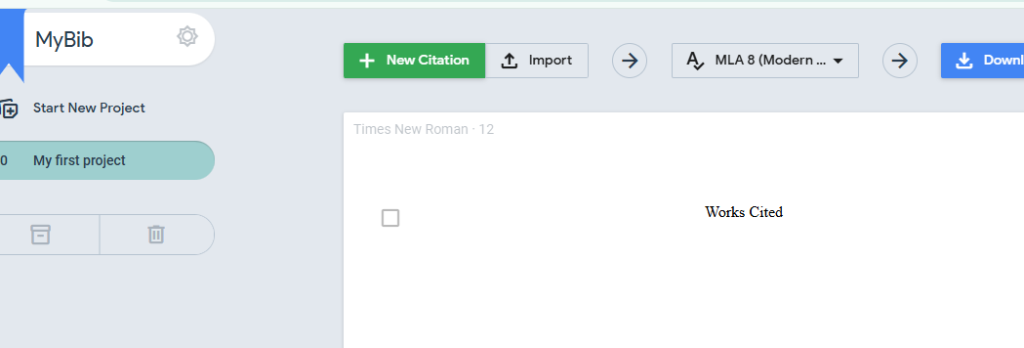
A 100% free tool that is a favorite among college students.
- Pros: Completely free and ad-free; very simple to use.
- Cons: Lacks advanced “Research Agent” features like document synthesis or chapter generation.
5. QuillBot
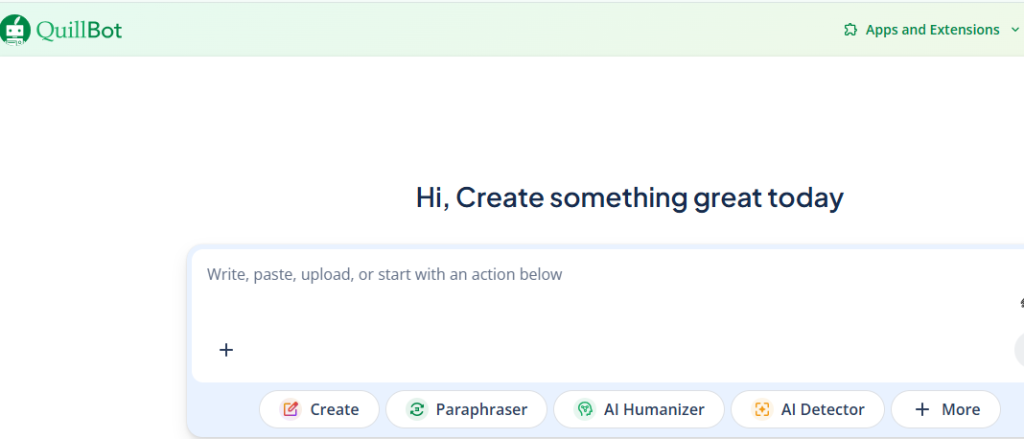
Widely used for paraphrasing and basic citations.
- Pros: Easy to use for quick web-source citations.
- Cons: Citations can sometimes be less accurate for complex journal articles compared to dedicated research tools.
6. Zotero (with AI Plugins)
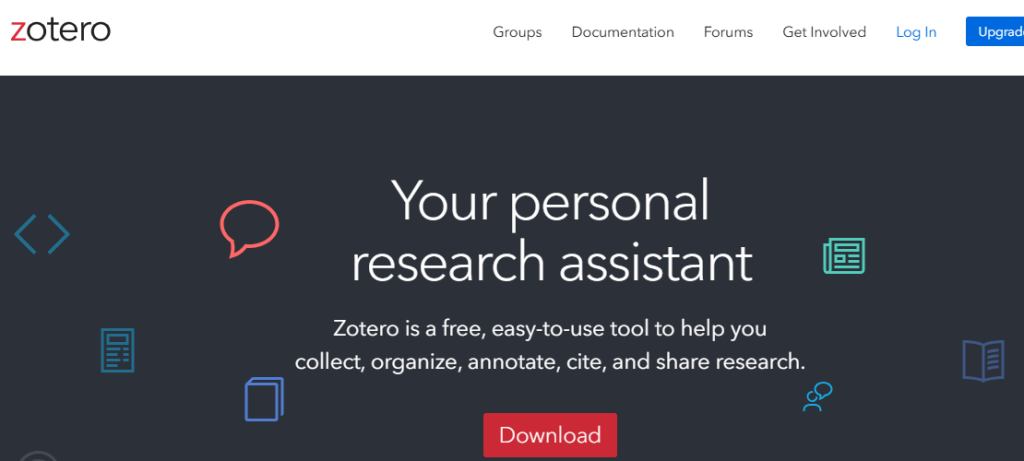
The old-school champion that has been upgraded with AI features in 2026.
- Pros: Excellent for organizing thousands of sources.
- Cons: Has a very steep learning curve and requires manual setup for many AI features.
7. Citation Machine
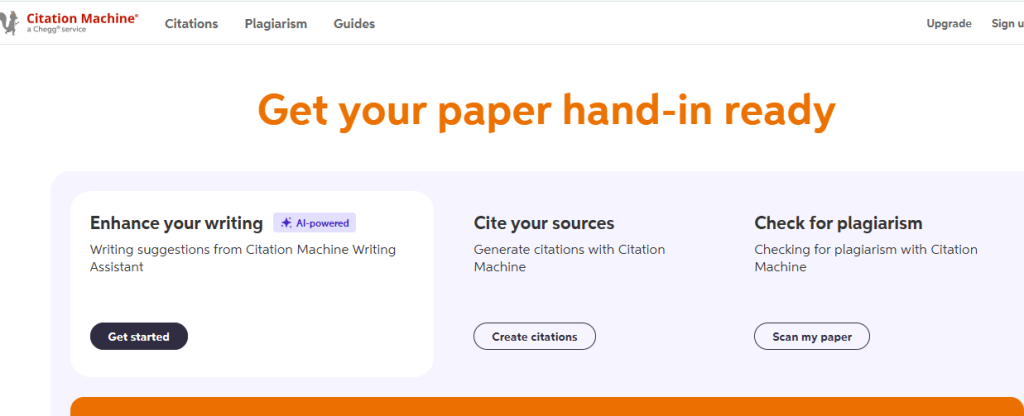
A classic tool that many have used for years.
- Pros: Covers almost every style imaginable.
- Cons: The free version is heavily cluttered with distracting ads that slow down your workflow.
8. Mendeley
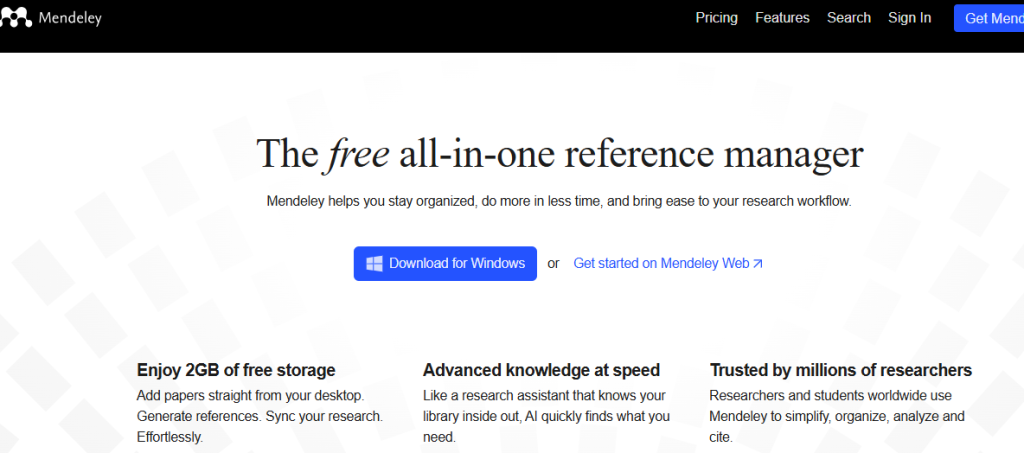
A reference manager owned by Elsevier, built for serious scientists.
- Pros: Great for collaborating with a research team.
- Cons: Can be very “heavy” and slow to load on older computers.
9. Cite This For Me
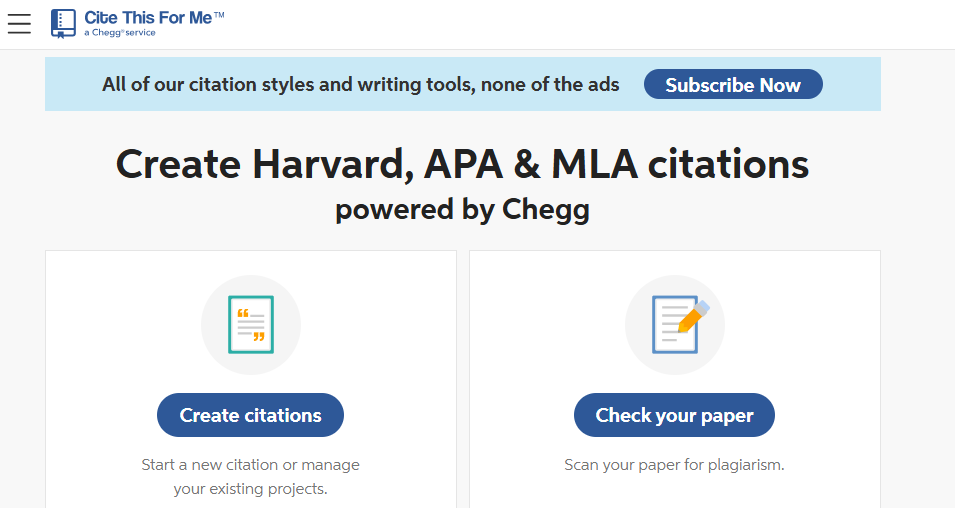
A quick-fix generator for simple bibliographies.
- Pros: Good for citing unusual sources like social media.
- Cons: Not built for long-form academic writing or building structured chapters.
10. EasyBib
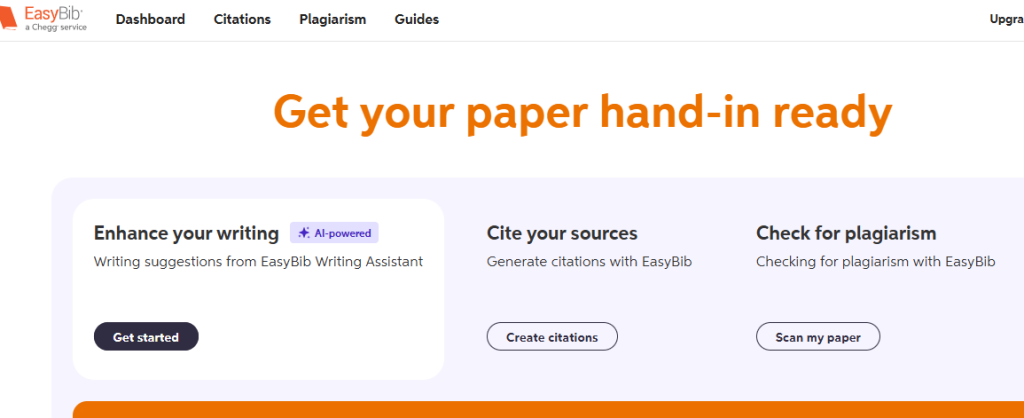
Another staple in the student writing world.
- Pros: Fast for one-off book citations.
- Cons: Limited “smart” features; it doesn’t help you understand or synthesize your research.
Why You Should Skip the Manual Stress
The “manual way” of writing involves having twenty tabs open, three different apps for citations, and a constant fear of making a mistake. You don’t need to go through all that anymore.
When you login to WordWriter, you are essentially hiring a professional academic editor. You don’t need to worry about the “technical” side of research. You simply tell the tool how you want your chapters to sound, provide your key parts or files, and let the AI Research Agent build the structure for you. It solves the consistency problem and the citation problem in one go.
Conclusion
In 2026, the best writers aren’t the ones who spend the most time on formatting; they are the ones who use the best tools to amplify their ideas. WordWriter is so so so helpful because it treats your research as a whole, ensuring that your citations are as strong as your arguments. By choosing a tool that offers full references, document synthesis, and smart editing, you can finally focus on what matters: your discovery.
Ready to finish your research paper in record time? Login to WordWriter today and let the Research Agent handle the hard work for you!
